Friday, March 11, 2011

Food (to the) Rescue

These days, everyone talks a lot about food production. Where was it grown? Is it free-range? Organic? Fair trade? How fresh is it? Who owns the genetic material? (Pause for satire.)

In the life span of food, like that of humans, everybody seems to coo and fret over the birthing process, but nobody pays much attention to what happens at the end. No, I’m not talking about poop, although poop is important. I’m talking about the food that doesn’t end up in someone’s stomach. According to the blog Wasted Food, 40% of food produced in America ends up in the landfill. Holy tamales. If you’ve ever visited your local dump, just seeing the endless piles of trash is enough to make you swear to never buy anything again. When you consider how much of that junk was once something edible, and how many people on earth are hungry and undernourished, (around 1 billion, according to the UN), it’s truly depressing.

Ahhh, gloom and doom. Got your attention now, don’t I? Actually, what I'm here to write about today wasn’t how sad it is that we throw so much out, but about the exciting phenomenon of food rescue. Recent experiences have shown me that there are superheroes living amongst us, posing as food bank operators, swooping in and snatching perfectly good food from the brink of the trash bin.

Food For Lane County, the major food bank for the Eugene area, is a hotspot of food rescue activity. Like most food banks, Food for Lane County collects provisions from a variety of sources – canned food drives, government commodities, and local growers, processors and retailers. It all comes first to its central warehouse in west Eugene, a place I’ve recently become very familiar with. Since enjoying a stretch of unemployment that allowed me to keep my need for food assistance below the radar via EBT, I found a job cooking for institutionalized teenagers. They eat a lot, and my employer is a non-profit, so I visit Food For Lane County on a weekly basis, collecting donated and rescued food on the behalf of my captive diners (and breakfast-ers, and lunch-ers, and snack-ers...). I say captive because they don’t have much of a choice but to eat whatever I cook for them, which makes it easy to incorporate the FFLC provisions into the menu.

Like thrift shopping or dumpster diving, “shopping” at the FFLC warehouse requires a finely tuned strategy. First, I arrive early, before they open the doors at 8:30. Trucks are coming in with deliveries all day, but the selection is best first thing in the morning. To picture the scene, imagine coupon day at your local grocery store, except that instead of housewives and pensioners, the people waiting in line to elbow their way to the bargains manage food banks all over the county, or run shelters and assistance centers for our many hungry residents. In other words, they’re on a mission. At precisely 8:30, we file in and scramble for the limited number of shopping carts. The best scores are on meat and produce, the most expensive items on my budget, so I start in the walk-in cooler, pulling my hat down around my ears. Three or four people are already in there, loading up their carts and occasionally notifying each other when they come across the good stuff. I join the friendly competition, starting with the dairy section. The first thing I find is a crate full of whipping cream from a local dairy that expires tomorrow. I throw a few into my cart. My mind wanders momentarily to fruit salad with whipped cream and delicious soup, but then I hear talk of deli meat on the other side of the cooler and scurry over. Packages of roasted turkey slices from Market of Choice, a gourmet grocery chain, join the whipping cream. Then I hit the stacks of organic yogurt, a common item here, and random packaged cheese. After taking everything I can use from the deli side of the cooler (and there’s still a lot left over), I move to the produce side. Here I find cabbage, carrots and root vegetables from the FFLC gardens. Assorted boxes from grocery stores carry grapes, avocados, mangos, lettuce and tomatoes. Because the cases of apples, oranges and bananas are stacked higher than me, I take as much as I think the kids will eat. Some of these specimens are too far gone to consume, but some are just perfectly ripe. I once scored a half-dozen containers of strawberries, each containing one moldy berry for ten good ones.

The incredible part of all of this is that, thanks to a new grant to Food For Lane County, it’s all free (it used to cost organizations like ours 14 cents a pound, which is still pretty amazing). The part that I like best, though, is that it’s also all part of that 40% of food that otherwise would be chucked in the trash heap.

Let’s look a little closer at that number. Unless you’ve ever worked in a restaurant or stocked the shelves at a grocery store, it might be a little hard to believe. If you have first-hand experience with the food industry, 40% might even seem low. Even when customers take home what they don’t finish, restaurant kitchens throw out a lot of what they cook, because they always have to make a little extra to avoid running out. Federal food-safety laws dictate how often food can be kept at certain temperatures, how many times it can be reheated, and how long prepared food can be stored before it has to be discarded (usually no longer than a week). When pre-packaged products hit their expiration dates in restaurants or in stores, they also get thrown out. Cafeterias and buffets are notorious for wasting more food than they serve. Kids are the worst food wasters (think about all those elementary school food fights), and they are the ones most often served in cafeterias. Excess food – and therefore wasted food – is also built right into our cultural sense of security. It’s not good enough, in this age of prosperity, to simply have enough. If we don’t have more than enough, we feel somehow cheated or even deprived. We all feel a right to not only eat good food, but to have as much of it as we can pay for.

But enough sociology. One of the coolest things about Food For Lane County is their Food Rescue Express program (sporting the best acronym in the food assistance world – FREX). FREX actually drives to various institutions – hospitals, the university, delis – in the city to pick up food that has been prepared but not served. It all makes its way to the warehouse, where I’ve found tubs of salad dressing, gallons of soup, baggies of peeled and halved bananas, even pre-assembled hot dogs fresh off the FREX trucks (see how they did that?). FREX is a unique model; the FFLC person I talked to said theirs is the only program like it she knows of. Since it's excess food that they're rescuing, it isn’t even close to being old or expired (it's FREX! Ok, I'll stop.)

FREX gleans a small part of the food that goes into FFLC’s warehouse. The rest comes from USDA commodities and donations from local growers and processors. Actually, three-quarters of he food donated to FFLC is locally grown or processed. That means the 63,000 county residents who received emergency food from FFLC last year ate more local food than the average American. And since this is Oregon, many of those local processors and growers are also organic. On my food budget, I can’t always afford to buy Nancy’s yogurt, Toby’s Tofu Pate, Fern Ridge Dairy goat cheese, and bread from Metropol Bakery, but the “underprivileged” kids I serve in my job eat this stuff on a regular basis. The donated products were either packaged wrong or just a little too close to the “sell-by” date (which seems more and more arbitrary to me all the time).

In a way, the work that FFLC does creates a silver lining to the modern world’s inequitable, appearance-obsessed, wasteful food system. If the average shopper wasn’t afraid of buying bruised apples or expired milk at the grocery store, there wouldn’t be much excess to flow over to food banks and those in need of food assistance. The annoying food-contaminant-paranoid FDA rules that make it difficult for small, local food processors to operate also forces a lot of food to be abandoned before it can even be served. The hungry aren’t so picky.

Rescued food not only keeps our landfills slightly more manageable, it also brings an element of variety and dignity to standard emergency food box or soup-kitchen fare. Most US food banks get by on government cheese, dented cans of peaches and stale bread. If you're Lane County's one in three who are eligible for food assistance, you may get to try an avocado for the first time, or even be faced with the enviable problem of using up a pound of locally made chevre.

Maybe “rescued” can be the new food label, like “local”, “natural”, and “organic” that everyone swoons for. After all, the food is here anyway, and if it’s going to the landfill, does it really matter if first came from Chile or New Zealand? Shouldn’t we try to eat that food first, before we worry about producing even more to feed our growing population? Better yet, maybe we can stop the problem at its source by avoiding places that tempt us to buy too much – like Costco and Trader Joe’s (I’m talking specifically about produce. Go ahead and buy container-loads of non-perishables if that’s what you like.) I’m as bad as the next person when it comes to facing the science projects in the back of the refrigerator, but ever since my roommates discovered a free leftover pickup service, our fridge has stayed nice and clean. It works like this: Pretend you’re getting rid of some old junk by placing it in a free box on the curb. Instead of ugly clothes or the Twilight series, just stick your (labeled and meat-free) leftovers out there. Because we live close to a park that homeless people frequent, the food is usually gone within hours. This isn’t a strategy that everyone will feel comfortable with, but all I’m saying is to be creative.


Organizations like Food For Lane County are putting a big dent in that 40% of wasted food, but they can’t rescue all the food. To be sure, some waste is inevitable, but hey – compost happens. The next time you’re out shopping, though, just try to think a little bit less about where your food came from, and pay attention to where it might be going, too. When the mantra of “reduce, reuse, recycle” is applied to the food system, we all eat a little bit better.

Wednesday, December 29, 2010

Oh, SNAP: Do food stamps make you fat?

I have a confession to make. For the last six months, I have been using food stamps. It’s easy, and I like it. I get $200 added to a little blue card every month, which I use like a debit card at any convenience store, supermarket, health food store, Asian market, or even farmer’s market within the state of Oregon that I please. Basically, I eat for free, so long as I don’t want to go to a restaurant or the hot food bar at the grocery store.  

This might not seem like much of a confession. After all, about 20% of Oregon residents receive food benefits, and along with unemployment checks and the occasional visit to the food bank, it’s how a lot of Americans are scraping by these days. I took an Americorps job in June, and under this government-funded program, participation in SNAP (Supplemental Nutrition Assistance Program, the title that has replaced the phrase “food stamps” in government-speak) is all but expected. With my initial paperwork, I was given a letter addressed to the local branch of the Department of Human Services, which administers food benefits. To paraphrase, it said “Tuula works for Americorps now. We don’t actually pay her a living wage. Sign her up for food stamps, stat.” Everyone I worked with got the same form, and one-by-one, we trudged down to the DHS office, answered a couple of basic questions about our living expenses, and were handed the magical blue cards.

I remember sitting in my car in the parking lot outside the building, trying to adjust my frame of mind enough to allow myself to go in. Like a lot of people in this country, especially those with immigrant families who lived out some version of the American Dream, I considered accepting any form of federal welfare to be right down there with begging on the street corner. As I sat watching the rain dripping down my windshield, contemplating the course of my life, I started feeling very sorry for myself. Don’t I have a college degree? I wondered. How did I get here? What have I done wrong? Then I remembered: I wanted this. I wanted to do the low-paying, environmental, non-profit, social-service work. It makes me feel good. Besides, the economy is falling apart. I’m lucky to have a job of any kind, and it’s not like I’ll be a welfare bum forever. I pulled my jacket hood over my head, grabbed my letter, and went out into the rain.

That was six months ago. My Americorps term of service up, but I’m still on SNAP as I job search and try to avoid moving in with my parents. As difficult as it was to take the dink to my pride, I’m glad I did it. Not only did having my food bill taken care of allow me to save money while earning less than minimum wage from Americorps (another valuable experience), it also gave me some insights into the economics and geography of how we eat.

Because the SNAP card works exactly like a debit card would, it took me a while to notice any changes in my food buying habits. In fact, using EBT is quite discrete – at the store, they ring up your groceries, you swipe your card, selecting “EBT” instead of “debit/credit”, enter your PIN, take your receipt (which gives you the balance left for that month) and you’re on your way. As someone with a lot of initial guilt and shame surrounding the use of food stamps, I was grateful for this hassle-free process. I didn’t stand out.

That was the grocery store. The farmers market was a different story. After I found out that I could use my EBT card at the Lane County Farmers Market (for some reason, they don’t really advertise this feature), I took the next beautiful Saturday afternoon to stroll downtown with my grocery bag and pick out some fresh, organic veggies. I met my friend Tara, a fellow Americorps member, there. First, we had to visit a little booth, crammed between tables overflowing with produce, where a woman ran $10 off the balance of our cards (they do it in $5 increments) and gave us each ten wooden tokens that she said could be exchanged dollar-for-dollar at any of the farmer’s stands. Unfortunately, she told us, we couldn’t receive change in cash, so if we bought something for 50 cents, we would have to hand over a whole token. We started elbowing our way through the market throngs, and I found some carrots and a basket of strawberries, handed over five tokens, and didn’t get hassled. Tara, on the other hand, just wanted strawberries, and went to a different farmer for them. When she tried to pay, though, the woman behind the table frowned.
“Can you pay with something else?” she asked. “We get charged a fee to exchange those.” In the busy scuffle of the market, Tara didn’t feel like putting up a fight and holding up the line, so we dug through our pockets to produce some change. The woman didn’t seem much happier about the pile of nickles, dimes and quarters she provided, but what did she expect? As Tara pointed out on the walk home, if we had the option to pay some other way, we wouldn’t be on food stamps.

The more I thought about it, the more it irritated me. The whole point of SNAP is to reduce some of the inequity in our food system and give low-income people such as ourselves the option to eat fresh and nutritious food. If farmer’s markets charge their vendors a fee to accept their version of EBT, and farmers are reluctant to sell to individuals using the system, the whole point of the program is lost. I stuck the other five tokens in my purse, where they are still, because the next time I went to the farmers market I forgot to bring them. Clearly, this system needs some work.

But I didn’t shop much at the farmers market this summer anyway. I tried to keep from using my own cash for food and keep my monthly grocery bill within the allotted $200, which was easy as long as I didn’t spring for such items as $3.50 baskets of local strawberries (or meat, which I don’t normally eat anyway). I still bought mostly organic, but local foods were out of my price range. I also found myself cooking a lot more. I couldn’t justify the expense of eating out when I had free food at home, and I also knew that if I spent my food benefits on frozen pizzas and prepared deli items, my account would be empty a lot sooner than if I bought the raw ingredients. Without kids to take care of and clean up after, or a second job to pay a mortgage or whatever, I had the time for this (although, living alone, I got pretty tired spending every evening at home in front of the stove). Of course, if I did have other responsibilities in my life, the quality of what I was eating wouldn’t be nearly as good as it was. Also, I would need more than $200 per person, especially if there were meat-eaters in the family.

So if you’re busy, and you don’t earn much money, participating in the SNAP program makes a lot of sense. Only problem is, most people are much more likely to use food stamps to buy fattening, unhealthy foods that are cheap and easy to prepare. The result? People on SNAP are much more likely to be overweight or obese than those who aren’t, according to some scientists.

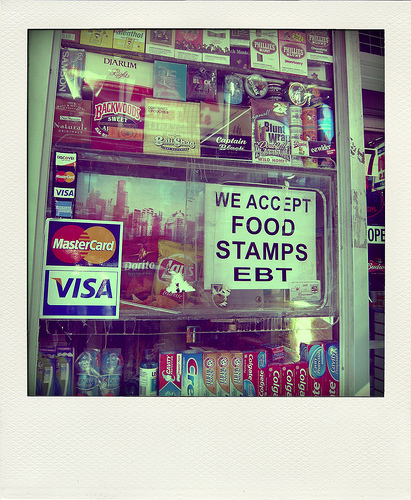
Thinking more about grocery transactions recently has also helped me notice where various food outlets are placed. I usually shop at small natural-foods stores, which are concentrated around the center of town where housing and businesses cater to those in the upper income levels. Head toward the outskirts of the city, and you won’t find those cozy shops stuffed with bulk foods, fresh veggies and organic cheese. In fact, even the large grocery chains start dropping off, and for every Albertson’s or Safeway you’ll find three or four Dari-Marts, 7-11s, or Circle-Ks, all variations on the convenience store theme. I notice them because the changeable-letter signs often advertise “We take EBT”. For what, though? Doritos, candy, soft drinks, maybe some milk, eggs or boxed mac-and-cheese. So if you live in one of those neighborhoods, and maybe you don’t have a car, or the ability to bus into town to visit another store, what are your options?

I’m not the first person to notice this phenomenon, and much has been said about the problem of “food deserts” in both rural and urban areas. One proposal that keeps coming up is to not allow the purchase of high-calorie, low-nutrition foods under SNAP. As it currently stands, you can buy pretty much any food item in the grocery or convenience store using your food benefits. The federal SNAP website details what does and does not apply as “food” under the program. Among the things that don’t count: Alcohol, personal care items, vitamins, and live animals (No buying a catfish to fatten up in your living room, sorry). Twinkies, Velveeta and Kool-Aid do count, although most people would probably agree that they have few nutritional differences from toothpaste. The problem is, as SNAP argues in a report, that there would simply be too much administration involved in fine-tuning the definition of “food” to exclude “junk food”. And you know that food processors would find ways around the law if they did, fortifying their products until they met the minimum nutritional requirements.

In the interest of balancing out the junk food eligible for purchase under SNAP, the USDA implemented a program in 2007 that allows farmers markets to accept food stamps. Of course, this doesn’t address the underlying issue of the cost of fresh, locally produced food, so, in some states, other organizations have stepped in to offer subsidies to low-income farmers market shoppers. Still, less than 0.01% of all federal SNAP dollars were spent at farmers markets last year.

Another little-known fact about SNAP is you can also use food benefits to buy seeds for your garden. It’s another nice thought, but one that probably hasn’t been very popular. A lot of the low-income kids I met through the Americorps job this summer hadn’t ever eaten a fresh tomato before. If their parents aren’t buying this kind of stuff, the chances are even lower than they’ll want to grow it themselves.

So SNAP isn’t doing much to improve the health of low-income people in this country, but it probably isn’t the root of the problem, either. Regardless of how you pay for it, cheap, processed, and unhealthy food will always be an option, and more so if you live in a low-income neighborhood. It would be senseless to force stores in these areas to carry fresh produce that would probably just rot in the coolers. There’s an underlying issue here that needs to be addressed: the cycle of poverty and poor diet. If people didn’t grow up eating something, they aren’t usually going to start eating it as adults, and since poverty tends to persists through generations, it also defines the dietary habits of a large segment of the population. So you can make good food affordable, but that doesn’t mean it will replace bad food pound for pound. There’s also the issue of convenience. After working a double shift, your average single mother will probably be more willing to microwave a hot pocket than chop a salad.

Can we ever take fresh, local fruit and vegetables out of the domain of the well-off and align American food values along the lines of apples, not apple pie? Sure. I forgot to mention the steady, free source of local and organic vegetables that I relied on through my summer and fall of being on SNAP: the farm where I worked. When growing food is part of what you do for a living, you’re guaranteed nothing but to eat fairly decently. In fact, for most of human history, people made their living as farmers, and poor folks like me lived off potatoes, greens, fresh eggs, and fruit from the trees. We grew it ourselves. The rich gorged on lard, sugar and beef, got fat, and died of heart disease. Now the tables have turned. Over 70% of Americans are overweight or obese, and I would bet that most of them are currently on or have been on food stamps.

What we need is re-education, and the beginnings of it already exist. The best example I can think of is Farm to School, which takes kids on field trips out of the classroom to farms and also brings fresh food to them in the cafeteria. There’s also the Women, Infants and Children (WIC) program, similar to SNAP except with much stricter rules about what can be purchased, and it’s only available to mothers with children under five. It also has a fairly decent website with nutrition information and cooking tips, although it gets a bit patronizing (“Did you know that fruits and vegetables are naturally low in calories?” No waaay...)

As for me, I look forward to one day having the financial freedom to put my toothpaste, beer and bananas on the same piece of plastic. Maybe the fact that I have successfully used food stamps without packing on a layer of winter fat says something, but I think the average person on SNAP has a lot more hurdles to jump than I on the way to healthy living. Let’s fix our food system first, the one that pushed high-calorie diets on low-income people, and maybe we can all eat a bit fresher.

Find a farmer's market that accepts SNAP or WIC here.

Saturday, May 1, 2010

Bring on the Tulips

Greetings,

You may have noticed the lack of blog postings here lately. Put another way, it seems that over the last few months, I reduced the volume of original content on this blog to match that of the rest of the blog-o-sphere (Huffington Post, anyone?) While they rehash the daily news, mining it for valuable gossip and tossing out the uninteresting facts, this blog seems to prefer presenting nothingness as what it is.
Still, the total lack of content here has given my blog the abandoned appearance of your neighborhood GM dealership, and I am not okay with that. I had a job to do, and that was to report on my wanderings and share what I've learned from them, for better or for worse. As a blogger, I try to step outside of my life from time to time and peer back in to see what larger connections can be drawn between my own experiences and what's going on in the world at large. Since February, it seems I've lost the ability to be the outsider in my own life, casually observing events as they transpire and reporting on them for your reading pleasure. Instead, somewhere in between wrestling crab pots and getting in touch with my fisherwoman self, I lost my cool and my ability to step into the third person. I didn't fall down as a writer, luckily, only as a blogger, and I managed to record - in a small heap of nearly illegible legal pads - most of my whirlwind journey as a rookie deckhand in one of the world's most dangerous fisheries. (During this time, I also found myself out of not one but two separate laptops). One day, these notes may even manifest themselves in a more readable format, but don't hold your breath.
So that's as far as I'll go for formal excuses. In the meantime, however, another strange thing has happened, something that's made me question the whole idea that launched this blog (in its eventual form as a food-and-farm advocacy tool) in the first place. This personal revelation may not seem as momentous as the catastrophic earthquakes that weakened bits of our society's foundations in the past couple of months, or the fact that at this moment, all the oil trapped in the rock beneath the Gulf of Mexico seems to be gushing out and headed for the Everglades, but it's significant nonetheless. My confession - and it is a little embarrassing to admit in this context - is this: I have been admiring tulips.
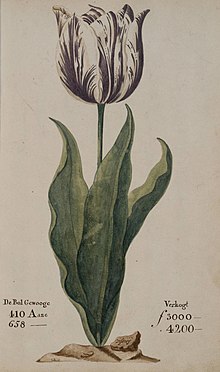
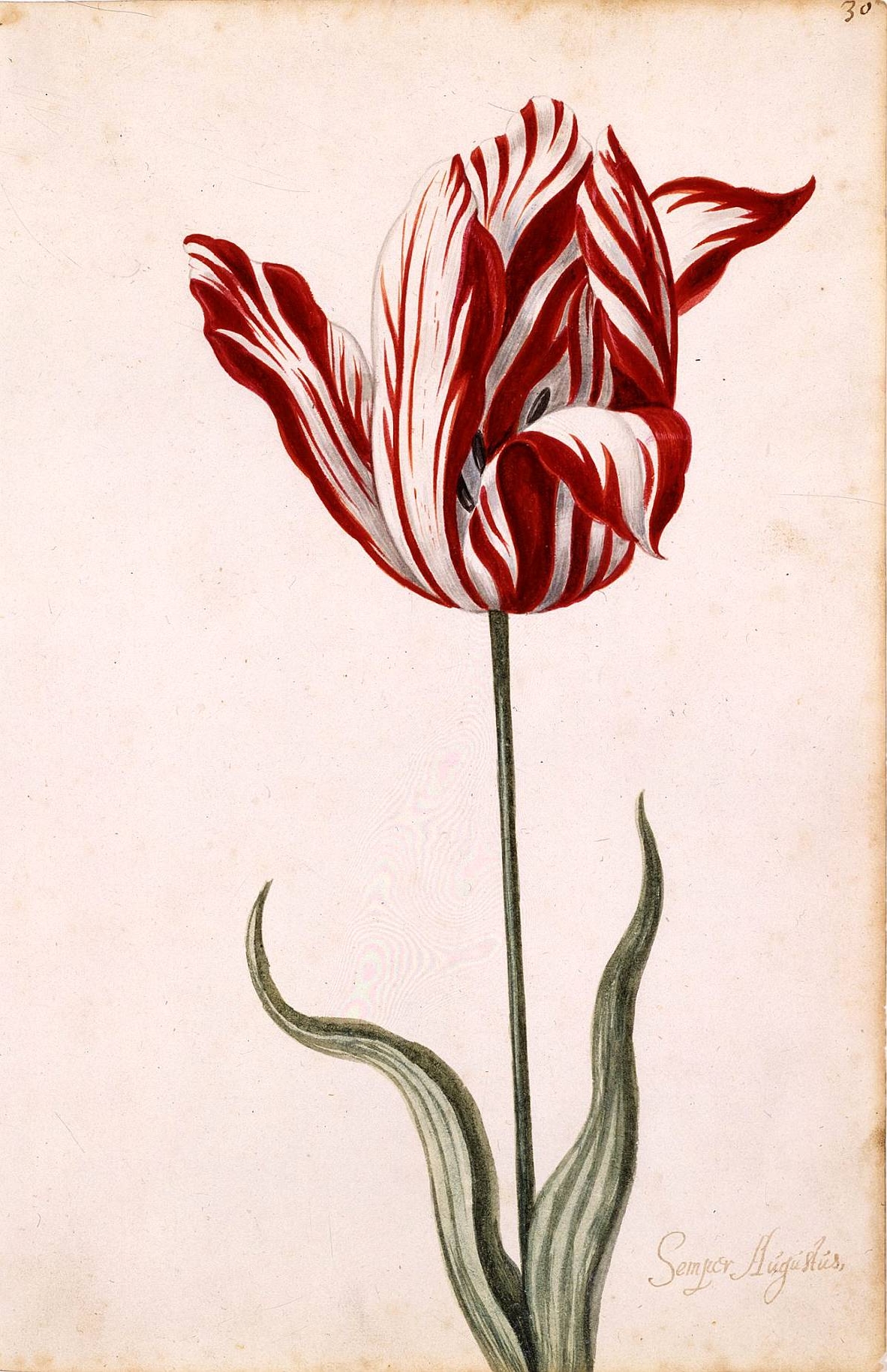
Readers of this blog may or may not have recognized my longstanding commitment to tulip eradication. Really, any flower (except those that precede fruit, of course) may be considered frivolous and unnecessary to daily existence, but tulips, for me, have always been a worst offender. I felt this way even before I read Michael Pollan's (author of The Omnivore's Dilemma) opinion on tulips in his book The Botany of Desire. He puts it this way: "Among flowers, the tulip is one of the most extravagantly useless." Unlike most of the flowers that humans have domesticated and bred selectively to serve our purposes, the tulip has no scent, no edible parts, and no medicinal qualities. On the basis of its beauty alone, it still wielded considerable flower power at one time. As Pollan describes in the book (which I highly recommend), no other flower has been as amenable to the corruption of the free market. In 16th-century Holland, it launched a lucrative futures market in tulip notes - slips of paper that promised future deliveries of high-value tulip bulbs. At one point, a prized tulip (like the Semper Augustus in the image here) could go for more than the cost of a big house on the canal. Speculation escalated out of control, and when the bubble burst, individuals who had invested their life's savings in these promissory notes found themselves holding useless slips of paper, without so much as a bulb to put in their gardens.
Tulips bothered me for other reasons than their historical role in setting a precedent for irresponsible trade. On a personal, aesthetic level, for instance, they have always seemed far over the top. With their primary colors, unnaturally straight stalks, and uniform appearance, they seem to go against what is natural, with no charming qualities to redeem them. Daffodils are frumpy and frilly but still cute, in a way. Roses - well, at least they have their dignity. Even dandelions are edible. Honestly, I didn't see the point of tulips, and every time I saw one, I wondered why people couldn't obsess over something a little bit more substantial and, to get right to the point, edible. Also, I didn't like the fact that my name (Tuula) is often misread as ending in "lip", as if I might be the type of person who goes around identifying herself as the sex organ of a plant.
Given my zero-tolerance policy toward the tulip - both the word and the flower itself - the name of this blog came up rather naturally. Everything worked fine until this spring, when my hard-nosed stance against tulips began to gradually erode. Maybe it was the brutally cold December we had here in Oregon and the generally hopeless post-holiday feeling I was experiencing, but when flower stalks began poking themselves out of the ground in late January, I didn't experience the usual sense of nausea over the anticipated floral show. On the Oregon coast, winter is short-lived, but the rainy and wet spring, with its endless assault of Pacific storm fronts, seems to take six months. It's not that I looked forward to the day when I would have to nod to the charming faces of a crowd of gaudy, candy-colored blooms ecstatically announcing the arrival of spring. But when those flowers arrived, suddenly the ceaseless grey of the sky, the ocean, and the windy highway I drove every day was enlivened with pink, yellow, purple, orange and red flowers. I tried to ignore them, at first, but they mocked me from parking lot dividers and window boxes in town, from every single front yard in my neighborhood, from behind the crumbling brick along my grandma's front walk. Resistance was futile.
The tipping point came on a walk I took one evening through my neighborhood. I noticed about ten huge tulips growing in a neighbor's garden, looking like half-inflated. bubble-gum pink birthday baloons upon thick green stalks. Their enormous size startled me, and I had to have a closer look. I approached cautiously and peered inside one, noting how the petals just barely overlapped one another as they curved gracefully inward. I never imagined something  so orderly, so tame and pleasing, occurring in nature. I stared into the flower for a while, probably long enough for whoever was watching inside the house to consider phoning the poilce, but didn't touch it. It seemed like it would be a thing easily distuurbed. The next time I came across a smaller version of this marvel in my grandmother's front garden, I gently felt its petal. Just as I suspected. Smoother than skin.
The tulips, I had to admit, had defeated me. In all their uselessness, and despite their inane obedience to human selection and cultivation, they were beautiful and put joy into my day from that point forward. Now that I am back in Eugene, where spring is a bit behind the more temperate coast, I am experiencing a tulip re-run, and it's just as chidishly pleasurable as it was the first time around.
My war on tulips is officially over. I have called off the troops; they are frolicking homeward with ridiculous garlands on their heads. What does this mean for the future of the blog? I haven't worked that out yet. Like my attitude toward flowers, my approach to the craft of writing has changed. There are other projects that have eclipsed blogging in this venue, which I will hopefully share at a later date. Employment-wise, my next gig is with Northwest Youth Corps in Eugene, where I will be leading summer day camps for kids that allow them to experience food production first hand. (In other words, I will be happily demonstrating the finer points of playing in the dirt and greenhouse-grazing at the NWYC Farm.) I would love to start up a complimentary project involving some sort of educational blog that is kid-friendly. Right now, I'm still working on removing the crab-bait smell from my clothing and finding myself (another &%$!@) laptop.
So thank you for reading NoTulips, and stay tuned for its reincarnation. Many of you have shared with me that this blogging effort has been entertaining or inspring in some way (I even apparently recruited my replacement at Collins Farm!) and your encouragement has been incredibly helpful in keeping the words flowing. As soon as my next project is up and running, you'll be sure to hear about it. In the meantime, keep eating well.

Tuula(lip)

Tuesday, February 2, 2010

The Deckhand's Tale: How Landless Farmers Spend Their Winters

Opening the door of the Newport, Oregon Starbucks, I spot Captain Dave immediately. In grease-stained jean overalls and a peaked fisherman’s cap, he stands out against the plush green velour of the sofa chair he’s parked himself in. As I approach and introduce myself, he sizes me up with his one good eye, feeling his grizzled white beard like he’s asking for its advice. I take the chair next to his. The coffee shop is loud, and I lean in to catch what he’s saying as he rattles off a rant about his previous deckhands (druggies, scumbags) and gives me a brief outline of his typically rural-white-Oregonian-male political views (do-gooders, you’ve been warned). Nonetheless, he's confident that hiring women deckhands, even completely inexperienced ones, is a smart business strategy. We're not interested in stealing his tools, he tells me, and we're easier to get along with. My eligibility for employment established from his end, he then he asks me why I want to work on a fishing boat.


Somehow, although I was aware that I was going to a job interview this morning for a position I had expressed an interest in, I didn’t really have an answer to that question. The job posting he’d placed on craigslist had simply filled my three main requirements for employment these days: it didn’t require any previous experience, it sounded interesting, and it was something I could quit after two or three months without feeling guilty. No, I didn’t have any idea what I was getting into. Fishing hasn’t been a lifelong dream of mine. It's just that I was swiftly discovering the limitations of farming as a career choice.

Although those farmers lucky enough to have land to live and work on have plenty to keep them occupied (not to mention fed) through the winter months, I found myself greeting 2010 with no work and no carrots or potatoes in cold storage. Telling prospective employers that you’ll likely be leaving them come springtime in order to participate in the planting season doesn't really give you a leg up on the competition. But what scared me more than unemployment was the potential boredom of clicking a mouse or shuffling files all day. More than that, even though I tried telling myself that whatever menial employment I found would only be to get me through the winter season, the thought struck me that I might wake up five years later and find myself going to the same dreary office, driven ever forward through a bleak but not completely miserable existence by the promise of a bigger paycheck. My goals and reality thus in conflict, I found the months of January through March were stretched before me like a giant white question mark on a giant white space (in the middle of a giant white cloud of obscurity, no less).

In fact, any close examination of large blank spaces present around the first of the year would have revealed me right in the middle, hunkered down at my Grandma’s place on the central Oregon coast, watching my bank account balance dwindle. Then, on a whim, I responded to Dave’s “Deckhand Wanted” ad, explaining in the message I left that I probably wasn’t what he was looking for but I did need a job. To my complete surprise, he called back, and we arranged to meet at Starbucks. After I explained to him that day that the temporary, erratic, somewhat dangerous and often uncomfortable nature of the work he was offering was precisely what attracted me to it, he hired me, probably more out of curiosity than real faith in my potential as a deckhand. It helped that at the time he put his ad out, he didn’t have a crew – which would normally consist of two to three trained individuals working from December through August, the length of the crabbing season. There were crabs out at sea waiting to be caught, and his desperation was such that he’d rather train “girls” than try his luck with the riff-raff that normally hung around the docks. If I stuck with it, he told me, and if the crab are good, there’s money to be made. So far, this year’s crab season looks like it will be a record-breaker for Oregon – fishermen brought in $60 million dollars’ worth in the first month alone (in a typical year, the fishery is said to be worth about $44 million.) A deckhand typically takes around a 10% cut of the catch; depending on the price of crab and how much was caught, this can mean $50 to $500 per fishing day. Suddenly, I didn’t hear Dave’s rantings about do-gooder environmentalists or worry about the impact only having one good eye might have on his navigational skills. I was in. From now ‘till spring, I decided then and there, I’ll be farming the high seas.

The day after the interview, I met up with Dave down at the Port of Newport, where all the commercial fishing vessels (around 100) make harbor. As we stepped onto the docks, the briny scent of the ocean entered my brain via my nostrils and stirred up a few memories. Although I've never so much as set foot on a commercial boat, I actually grew up in small fishing village on the southern Oregon coast about 150 miles from Newport. Port Orford is one of the few coastal settlements that attempts to keep fishing as the defining industry of its economy, pushing hard against the tourist chintz that seems to have transformed the rest of the coast into an endless series of glass-blowing studios and Moe’s seafood joints. As a kid there, vacationing Californians and refugees from the Valley never really crossed my radar; I dug my sandcastles and hung around on the commercial fishing docks in peace. Today, the sound of pylons creaking in the water brings me back to the many late nights I spent with my father and older brother, fighting sleep and throwing our crab pot off the old wooden dock at low tide in hopes of pulling up the next evening’s supper. We just did it for fun; the men and women who run boats out of the harbors of Port Orford, Newport and Oregon’s many other fishing towns do it for their livelihoods. It’s a dangerous profession – in 2008, a federal study declared Oregon’s Dungeness crab fishery to be the nation's deadliest (more dangerous than Alaska’s king crab fishery, which is the subject of the Discovery Channel’s “Deadliest Catch”). In good seasons, like the one so far this year, the money seems to justify the risk for fishing families. But there could be something else about it, too. The men who own fishing boats that I’ve met in Newport so far give me the feeling that they would be out there on the ocean even if they didn’t rely on the paycheck.

The relationships men have with boats is one of those earthly mysteries, and suffice it to say that when I met Captain Dave’s “baby,” I felt like I should have kissed her hand. The Golden Sunrise, as we'll call her, is a 36-foot fiberglass boat rigged to pull crab pots from the deep or cast longlines for tuna and salmon. She has red, orange and yellow stripes running across her hull and a definite personality. When Dave and his crew aren’t out at sea, he told me, we’re either working on equipment (making buoys, coiling ropes, repairing and building crab pots) or fixing up the boat. She’s temperamental, he explained, patting the steering wheel inside the cabin and adding a few more words aside that I didn’t quite catch. They weren’t meant for me anyway.

As it turned out, the Golden Sunrise and I had the opportunity to get to know each other quite well before actually traveling to sea together. For the rest of January, the coast was hammered with weather system after weather system, keeping us shorebound. As Dave puts it, "It's called fishing, goddamn it, it's not called catching." It's always a gamble. To make up for the lack of fishing days, Dave offered me paid labor in his shop and I accepted gladly. Putting sealer on the emergency "survival suits" for the boat, wrapping buoy ropes and drilling holes in bait jars, I began to get a better idea of what going out on the boat would be like. The time ashore also gave me a chance to get to know my fellow deckhand, Hannah. a feisty Minnesotan in a position remarkably similar position to mine - 23, broke and  dreaming dreams of sandy silt loam and prizewinning tomatoes. She’s spent the past three years working at her friends’ organic farm back home and admits that she misses it. But she also saw the attraction in heading west and spending a bit of time on a fishing boat. I liked her attitude, and suddenly, Dave’s political rants and weirdly oozing right eye became a lot more bearable. That, or the crotchety old guy was starting to grow on me too.


Next time: My first bout with seasicknesses; then, we (finally) catch a few crabs.

Monday, January 4, 2010

Farming Apprenticeships (part two): The Verdict

Note: This post is a continuation of last month's, in which I gave an overview of farming apprenticeship programs and something of an explanation for their sudden popularity. This segment attempts to summarize my own experience as an apprentice for those considering doing it, parents of young people threatening to do it, and those otherwise interested.

... Do I now aspire to possess my own ten acres, a cow and a pile of debt? Will the dirt ever come out from under my fingernails?

I’ve been trying, but I can’t seem to develop an objective analysis of the apprenticeship program that defined my life for six months. It would be like sending your parents a report card for their performance during your childhood. Looking back over the journals I kept while working with the Collins, I see rants, reflections, stories about the people I met and many, many attempts to describe the beauty and wonder of the place I found myself living. My formal goal in undertaking the apprenticeship was to learn about what it takes to sustain a small farm; the day-to-day tasks as well as the personal commitment involved. Informally, I was really trying to see if I was up for it, if all my romantic ideas around farming held up to the reality of the job itself.

I worked hard to keep maintain my lofty ideas about farming over the months I spent living and working with the Collins. As they will be the first to admit, Bob and Ann are a bit worn out by the whole job. Granted, things are better than when they were dairy farmers, waking up at 4 AM to milk cows that eventually started costing them more per year than they earned. Still, most visitors to the farm become overwhelmed simply by being told what goes on here. It’s a lot of work, and by the end of the apprenticeship, I understood why most long-time farmers don’t share the bright-eyed enthusiasm of young wannabes. It’s hard, often thankless work. But I also learned why they’re still there, doing it. The energetic, gung-ho attitude may not be immediately visible, but their passion for the lifestyle they chose is still there lying just beneath the surface. Just as some city kids wouldn’t touch a manure shovel with a ten-foot pole, Bob and Ann would last about three minutes in an office. The animals under their care, the river that skirts their property, the 69 acres that they call home are as much a part of them as their hair or skin.

After a few weeks at Collins Farm, I started to feel this way a bit, too – attached to the place in a way that made me wonder, when it came down to it, whether I would actually be able to leave. Maybe it’s the seductive beauty of Vancouver Island or the fact that every day was a chance to play outside. Sure, there were some long hours spent bent over pulling weeds and picking vegetables, but since most of those activities were new to me, they took a while to get dull and repetitive. In between, I gorged myself on blackberries and strawberries, climbed trees to pick apples, wandered the woods aimlessly to find mushrooms (or to walk the goats), and shoveled around piles of dirt and manure under the guise of creating compost. Honestly, sometimes I couldn’t believe I was being paid, however meagerly, for that level of enjoyment.

Second to finding out that work didn’t have to be a miserable activity, the most valuable aspect of being a farm apprentice turned out to be the mentoring relationships that I was able to develop with Bob, Ann and people like Andrea, Connie and Crystal who were a near-daily presence during the summer months. Without a lesson plan, a schedule or any sort of formal discussion, they managed to impart a ton of valuable information on how to grow food and turn it into a semblance of a livelihood: the economics of homemade pie and hungry tourists, the “joys of backyard cheese making," how to pick a perfectly ripe strawberry and catch a pig on the run.


Farming apprenticeships are criticized for being a product of privilege; an option only available to those who can afford to work for little or no pay for an entire summer. One commenter on the New York Times article mentioned in the previous post calls such positions “a time-honored tradition for children of the wealthy” to fill the summer months. It’s an interesting point. Although my mom quit supporting me as soon as I graduated, the fact that I had no student loans to pay off allowed me complete freedom in choosing the route I would take next. I assessed my personal and financial needs, looked at the state of the world and, deciding it needs more farmers, jumped into the apprenticeship program with both feet. Did I feel privileged? Absolutely. I lived in a place that people from all over the world pay through the nose to visit, ate almost exclusively organic, home-cooked, local food, and learned how to feed myself and come a few steps closer to self-sufficiency. Those non-monetary forms of payment added up to be more than any “real” job could have provided me with, especially just coming out of college in a major recession. Meanwhile, many of my fellow graduates languished in their parents’ basements, looking for nonexistent jobs and wondering if they should go back for a Master’s in business administration. I came away with skills that I’m finding a new job market for – in managing community gardens and CSA programs, helping restaurants and stores source food locally, or assisting small farms in going organic.

My last few days at the Collins’ place were difficult. It didn’t seem fair that I was leaving; the Christmas season was just upon us and there was so much to do. I went through the motions anyway, and Ann and Bob made sure I got to do everything one last time – go for a ride on Jesse the big Belgian mare, eat all my favorite foods, see all of our friends from around the community at a fantastic Thanksgiving Day potluck. The day before I left turned out to be the first sunny day we’d had in weeks (after record rainfall all November), and Mount Arrowsmith, the towering face of granite that greeted me nearly every morning for two seasons, appeared dusted with snow just as it’d been when I first arrived in June.

Before I left, Ann and Bob gave me a painting of that mountain, gorgeously rendered in watercolor by an artist friend of theirs. I put it carefully in the back window of my fully stuffed car. Then I got in the car with it and drove down the driveway, watching the two of them growing smaller in my rearview mirror. They were the ones I hated to leave the most. They weren’t simply friends to me or even surrogate parents. Our relationship was more similar to that of close accomplices. Although the Collins are the ones responsible for creating what is now a diverse farm that feeds the close-knit community around it, I felt like that season – the second one that they had grown for the local market – had been a milestone. The worldwide craze around eating locally and knowing where food comes from had started to hit our little valley, and real progress began to be made toward making the entire island more self-sufficient. I’d come to experience some of the joy of working on the land and with people who understood the value of that, for the guiltlessness of laboring for ideas that I believe in completely. At Collins Farm I think I glimpsed an outcome that was greater than the whole, something right in a world that usually seems wrong. 

As far as my own desire to become a farmer, well, as much as I hate making long-term plans about my future, it's definitely tempting. But first, I need a few more seasons' experience under my belt and a small mountain of cash - it's as difficult to get into farming as it is to get out, it seems. Now that winter's set in, I'm simply biding my time (and honing my couch surfing skills) until I can once again turn my efforts toward the worthwhile goal of feeding people.

That dirt under my nails? Long gone. My itch to put it back there? Stronger than ever.

Sunday, December 20, 2009

Farming Apprenticeships: Pitchfork Pastoralism

Imagine an afternoon in mid-June sprinkled with late-arriving spring rains. Graduation rituals are being held all over the country, including here, at the University of Oregon in Eugene. The Environmental Studies program ceremony is held outside, and everyone’s too jubilant and excited to mind a few light showers. As the proceedings wind to a close and the distribution of diplomas is about to begin, the program head announces that graduates will be asked to state their post-graduation plans into the microphone as they cross the stage. In unison, the few dozen black-robed young adults in the audience gulp.

I quickly maneuver my way to the back of the line to give myself time to think. My immediate plans after graduation are to embark on a six-month apprenticeship on an organic farm. This is surely not what the esteemed administrators of my program want to hear about. I can almost hear my parents’ doubts about my unconventional career launch ringing in my ears. Why couldn’t I have a promising job as a wind power engineer or parks manager lined up? For the first time, I question my decision to postpone my entrance into the “real world” by following my passion for food and gardening to one of the lowest-paying professions in the world.

Luckily, unbeknownst to me, many of my colleagues had the same idea about their futures. After four or five graduates made their announcements (“Get a job”; “Live I my parents’ basement”; “Save the world”), somebody said something about going to work on a farm. He said it quietly, into his collar, but I heard it. A few others also made this admission. As I looked out into the audience, nobody was gasping with horror, fainting or weeping – just the typical “I’m so proud” sniffles.
By the time my turn finally came around, I hiked the stairs confidently, accepted the coveted slip of paper, and faced the audience. “Work on an organic farm,” I said, “Write. Save the world.” I could hear my father wincing, but I didn’t care. Suddenly, I was part of a movement.

The University of Oregon, apparently, is not the only postsecondary institution pumping out graduates who refuse to let a little higher education get in between themselves at a fulfilling back-to-the-land lifestyle. According to the New York Times, more and more students are spending their summers on farms, with  the goal of either being farmers or otherwise participating in organic food production. Those without immediate connections to the farming community – like me six months ago – can find positions relatively easily using online databases. One site has over 1500 entry-level, mostly unpaid farm work positions listed, and claimed to have nearly as many applicants in 2009 (for a complete list of farm internship databases, see the end of this post). If trends continue, the number of people wanting to learn about organic practices at the ground level will soon outpace the number of farms who are able to accommodate them.

The New York Times’ reporter on this story is downright cynical about the whole phenomena. “During a recession,” she says, “a summer on the farm provides respite from grim job hunts and as much bohemian cachet as backpacking through Europe.” Sure, organic food is extremely trendy, and in this job market, most are lucky to find any work at all. Still, I think the fact that all of these educated, idealistic people are choosing to throw their energy and bright-eyed enthusiasm into farming – instead of, say, construction work – speaks less of our need for hipster credibility and more toward a fundamental change that is taking place in our society.

Of course, this doesn’t mean that any of these newly converted farmers have any idea what they’re getting into. Many seem to hold farming in some golden light, summoning up clichés of the value of working with your hands and getting in touch with nature. This attitude has deep cultural roots. Ever since the invention of agriculture – and its evil stepchild, civilization – agrarian lifestyles have been painted as the antidote to the moral corruption brought about by technology and urbanization. In endless lyrical passages about the beautifully simplistic lives of rural shepherds, the ancient Greek poet Virgil fantasized about life in the countryside. His characters spent a lot of time singing praises to nature and gathering wildflowers in May.

Of course, if Virgil had taken the time for a saunter into the countryside, he would have found an abundance of sheep but a severe shortage of the innocence and merriment he portrayed in his writing. Like modern people in urban and rural contexts, those blessed folk would have likely been struggling for survival on too little land under the burden of too many taxes, all the while quarreling with their spouses, neglecting their sheep and bumming food off their neighbors. They were human, after all, just as sheep herders are today, no less or more morally pure than those who make a career out of car repair or accounting.

Still, the idea that the pastoral lifestyle elevates standards for human interactions has stuck now for millennia, with hundreds more poets and artists adding to the grand illusion. Modern-day writers make the whole situation worse by proposing a “return” to our agrarian roots as an antidote to the confusion and complication of modern society. If only we could all live off the land, in harmony with mother nature, all our problems would be solved – or so the rhetoric goes. Enter the wave of agricultural internships, apprenticeships and volunteer programs.

The basic idea is this: Farm volunteers can work just a couple of days or up to a full season. An internship implies at least part of a season’s commitment, while apprenticeships can last even longer. Room (ranging from a tent pitched in the fields to private cabins) and board (meals with the family or free access to farm produce) is almost always provided. Apprentices sometimes receive pay – one article I read described a farm that provided “a salary of a $1000/month, room, board, a $50/month bonus for working until the end of the season, $30 extra for every farmers market they attend, and a performance bonus of up to $2000”. That right there is enough to activate the salivary glands of any liberal-arts graduate who has spent weeks unsuccessfully trolling Craigslist for work. (The farm ended the program after being sued for back wages – the hazy legislation around agricultural apprenticeships is one of the challenges its participants must deal with.) What kind of work is involved? Well, some farmers consider inexperienced but enthusiastic volunteers to be an easily exploitable source of free labor. Others expect a little self-direction and leave the worker to find his or her own work around the farm. Some apprenticeships, like mine, can include tasks like food preservation or even community outreach to build support for local foods. Although the words can often mean different things, for convenience’s sake, I’ll refer to volunteer, internship and apprenticeship program as “apprenticeships” here.

Other than a lack of standardization (and, let’s face it, standardizing things usually ends up making them boring and predictable) and sometimes bloated expectations on behalf of the apprentices, I believe apprenticeships are one of the most effective tools we have in revitalizing farming, its role in the economy, and people’s approach to food. The current generation of farmers is aging – in twenty years or so, they won’t be able to produce food for us anymore. Meanwhile, we import most of what we consume anyway, and our agricultural land is being gobbled up by subdivisions and freeways. But the realities of peak oil, climate change and economic collapse are making it abundantly clear that this is not the direction we want to be heading. We can’t all be farmers, but we can certainly do a better job of feeding ourselves, stop flooding the global market with agricultural surpluses, and clean up the planet a bit by transitioning to organic practices. A key step in this transition is training the new farmers. While traditional agricultural colleges are stuck in the old paradigm of industrial methods and bigger is better, organic farmers know better. When they open their farms up to apprenticeships, they have the opportunity to share their knowledge with clueless city kids in an environment that is unmatched in the world of public education. With the low student-to-instructor ratio (usually one or two apprentices per family farm), absence of tests, and abundance of real-world experience, learning in an apprenticeship is not simply an end result but a process that allows for personal as well as "professional" growth.

Granted, apprenticeships won’t work for every farmer or idealistic, world-saving graduate. As for my own experience in the trenches of hands-on agricultural learning, well, it was enlightening. Do I now aspire to possess my own ten acres, a cow and a pile of debt? Will the dirt ever come out from under my fingernails?
Stay tuned for next time.

In the meantime, you know you want to abandon whatever it is you’re doing to grow some vegetables, so check out the following sites:

Field Guide for Beginning Farmers  - This is a great place to start; it gives an overview of farming apprenticeships available in North America and what to expect.


Oh, and I now have a semi-professional blogging gig with Conducive Magazine. Read my posts here (and if you ever come across an ad on the site, by all means, click the heck out of that thing).

Wednesday, November 18, 2009

Haberdash Your Turkey Day

Recently, my good friend Max asked me to write a food column for a promotional men's fashion magazine he's involved with somehow (those advertising people have their fingers in a lot of pies). I quavered a bit, but the clincher was the name of the publication: Haberdashers. With a name like that, how could I say no?
According to Wiktionary, a haberdasher is
1. A dealer in ribbons, buttons, thread, needles and similar sewing goods.
2. (US) A men's outfitter, usually a men's haberdasher.
3. (British) A member of the Haberdashers livery company.
To me, "haberdash" sounds like a verb meaning to scramble, confuse and befuddle. Maybe they named it that because that's generally the feeling most men have about fashion (or at least, that's how they dress). But maybe I'm just not British enough to understand the proper use of a perfectly respectable word like "haberdasher".
I trust that I won't be subjecting my readership - now expanded to moneyed, fashion-conscious men aged 30-45! - to much repetition by reposting the article here. Happy Thanksgiving - with apologies to my Canadian friends, who celebrate the harvest at an earlier time that actually corresponds with real-time harvesting.

A Fresh Look for the Holiday Feast

Maybe you’re a vegetarian yourself, or maybe your girlfriend is vegan and your mom refuses to eat anything that might be fattening. Perhaps everyone’s just tired of the same old turkey dinner with stuffing on the side. So what to do about holiday meals that are traditionally centered around fattening ourselves up for the winter? Well, maybe it’s time to simply break the mold. You might have already by offering to host a holiday meal or share the responsibility of planning and cooking with your family and friends. Now what? Here are a few ideas to get you started.
First off, don’t even consider meat-substitute products, which tend to be bland and, frankly, a bit of a cop-out. If you must have something that looks like turkey or ham on the table, by all means get a real one – but go for maximum freshness, flavor and social responsibility by finding an animal that was raised free-range. The easiest way to do this is to Google “free range”, your meat of choice and your state or region for a list of farms that will be happy to provide you with what you need.
For any special meal that you don’t feel like spending days preparing for, the key is to keep the food simple, flavorful and interesting. If you base the meal on vegetables and buy good quality, fresh ingredients, it will also be light and packed with nutrition. If you can find a farmers’ market that is still open in late fall, this will be the best place to shop. Otherwise, just stick with seasonal ingredients – there’s a reason squashes, potatoes, greens, mushrooms, apples and pears have traditionally starred in winter feasts. All are at their best now. If you haven’t cooked much before, don’t be intimidated. It’s really not that hard, especially if you practice a bit before the big day. Or, go potluck style. If everyone brings something made to their standards, all are guaranteed to go home satisfied.
If you’re the host, you will likely be responsible for the main course. For a delicious vegetarian (or vegan) entrée that also looks beautiful on the table, stuff a pumpkin or other winter squash. To feed a large number of people, choose a medium-sized pumpkin, but don’t go too large – it must fit on a cookie sheet when halved. Better yet, use smaller acorn squashes, which have a unique shape and more flavorful “meat”. Roast the squash first by halving it, scooping out the seeds, and placing cut-side down on the cookie sheet. Bake in a 350º oven until tender (30-50 minutes, depending on the size). Only roast the squash until tender; don’t let it get too soft. For the stuffing, you can find plenty of recipes on the internet, but a good combination is bread cubes, gorgonzola cheese, leeks, mushrooms and hazelnuts. Or try bread crumbs, dried cranberries that have been soaked in a bit of water, sausage, onion and garlic. Include fresh herbs like parsley and sage and sauté the vegetables first in a bit of butter or olive oil before mixing with the other ingredients. Place the stuffing in the roasted squash, then bake it again at 400º for 10-15 minutes, or until stuffing is hot and browned on top.
Mashed potatoes are simple to jazz up with a bit of color and flavor by adding kale. Simply steam your unpeeled potatoes (steaming maintains maximum nutritional value in the vegetables, as does leaving the peel on) until nearly done, then throw in an equal amount of chopped kale, whose nutty flavor compliments the potatoes quite nicely. Steam another 5-10 minutes until the kale is wilted. Mash the potatoes and kale with a bit of butter, and milk, cream or sour cream. If your guests are garlic fans, add a fresh crushed clove or two.
Just because you’re going veggie doesn’t mean you have to skip gravy. In fact, a mushroom gravy will tie the whole meal together and add a measure of decadence without the fat. The best part is, it’s easy to make by sautéing a mix of fresh mushrooms (shitake, crimini, oyster or chantrelles) in butter, then adding garlic, onion and a splash of soy sauce and red wine. Dilute a tablespoon of cornstarch in a bit of cold water; add it to the vegetables with a cup of vegetable broth. Keep mixing until gravy thickens. You can make this the day before and simply reheat before serving. Just try not to consume the entire pot as you "taste test".
Depending on the size of the group and how elaborate you want to be, you can add vegetable side dishes and salads as needed. Try carrots, turnips or beets roasted just until tender and prepare a simple green salad to please all palates. For dessert, baked apples are a breeze and delicious served with vanilla yogurt or ice cream. Core the apples and dust with brown sugar and cinnamon, then fill the cores with raisins and walnuts and bake at 350º until soft.
Don’t be surprised if you end up feeling a bit stuffed at the end of this meal – this food may prove more tempting than your traditional fare. Holidays are for celebrating, so eat up in good conscience with a meal that’s delicious, filling and good for you and the planet.

Sunday, November 8, 2009

The Sun Always Shines in Farmville: A critical analysis of FB’s most popular game

I realize I’ve been a bit negligent in updating my blog lately. Over the past few days, my time off has been absorbed by two practically useless but hopelessly addictive activities: TvDuck.com and Farmville.
The first allows me to catch up with favorite shows that I had previously believed were only available “south of the border” in the good ol’ USA. Where else can you experience the petty depravity of Desperate Housewives and the brilliant awkwardness of The Office, all conveniently on your laptop screen? When I arrived in the great frozen north, I was saddened and disillusioned to find a message on both ABC and NBC’s websites informing me that these cultural gems were “not yet available” for viewing in Canada. Looking back, I should have known there was a way around this, but I embraced the opportunity to wean myself of TV without questioning it too much. I have sort of a love-hate relationship with the boob tube since it entered my life about five years ago (we never watched it when I was growing up). It always ends up leaving my brain feeling like jello, but at the same time, I feel like it’s very important to learn about the delicacy of extramarital affairs and just how insane life in the corporate world can be. So when TvDuck, which allows you to watch pretty much any TV show you want up here in the great frozen north, arrived on the scene, I waved goodbye to my grand schemes to learn German and read a dozen books now that the busy summer is over. Soon, any sense of cognitive strength I thought I’d gained since exiting the formalized educational system has completely dissolved. Woe is me.
That’s not what I’m here to discuss, however. While I’m waiting for my shows to buffer, I’ve been toying around with the Facebook sensation Farmville. As with most trend-driven activities that give participants a sense of social accomplishment among their peers, I’m sadly behind on this one. I try to be sort of a curmudgeon about technology and time-wasting activities (I may waste entire evenings watching TV online, but I am appropriately resentful while I’m doing it), and on the rare occasion I do attend that must-see film or buy a hot new album, I do it weeks if not months behind the pop culture schedule. Farmville only was released in June, but in just a few weeks it had become the most popular game ever to hit Facebook. and as of the end of October had 63 million users. As one news article put it, that means in the US, Farmville users outnumber real farmers 60 to 1.
Farmville annoyed me even before I knew these disheartening statistics, so I think it came as a bit of a surprise a few days ago when I appeared on my friends’ Facebook news feeds as the latest convert. Sure, my disdain still creeps under the surface, but so far, Farmville just fascinates me. For the Facebook-less (faceless?), I’ll just say that Farmville is an “application” that you add to your profile that allows you to play a game with friends that simulates the business of farming. You start off with a couple of “fields” and a limited selection of seeds. Your friends on Facebook that also play the game are your “neighbors”, and they help out by giving gifts of livestock, fruit trees and infrastructure. You can “visit” your neighbors’ farms and help out by dumping bags of fertilizer on their partially grown crops. There always seems to be things to do on the farm – one aspect in which this game actually mimics reality quite well. The crops take anywhere between four hours to a few days to ripen, and must be harvested before they wither. You harvest by clicking on the “harvesting tool” and then clicking on the finished crop. Follow a similar procedure to plow and replant the field. When you harvest, you earn “coins”, which you can then use to expand your farm and buy more stuff for it.
The first time I logged on to Farmville, I was greeted by hokey ragtime music that was probably intended to make me feel more agrarian. I chose an avatar, which defaulted to something looking like a wide-eyed blonde five-year-old in purple overalls. Everything in the game appears in this cartoonish, colorful style, a bit curious for a site mostly used by teens and adults. After I planted some strawberries and eggplants, I visited a neighbor’s farm. I did this by clicking on her avatar, which looked cooler with a purple Mohawk. When her farm loaded on my screen, though, I noticed that the farmer was nowhere to be found. Odd. On a virtual farm with no visible escape routes (not even a road or driveway), where does an avatar hide?
Despite the absence of the farmer, the farm looked quite spiffy. In fact, it made my strawberries and eggplants look like a weed patch. Fruit trees of every kind (banana growing with cherry), a bicycle, daffodils, a well, and something called a “horse topiary”. Herds of cattle and sheep stood around staring blankly into space and blinking occasionally (with an effect that was overall a little creepy, actually). My friend had clearly been at this a while. I briefly wondered if my little farm would ever attain this level of opulence.
The next morning, I checked my email to find a note from my sister, who I’d also added as a Farmville neighbor. Like the rest of the tech-enabled world, she’s already been playing this for a while. “Quick, go harvest your strawberries!” the email read. There was a sight note of panic to it. I clicked over to my virtual farm, where there were now withered stalks where my young strawberry plants had been the day before. I looked back at the email – it was sent before I’d even gotten out of bed. Apparently, the berries ripen in four hours, and the game expects you to sit in front of your computer watching this take place lest you miss the event. After all, avatars don’t take part in unnecessary outside activities like sleeping or going to work, so why should you?
Later, I called my sister up, and she explained to me the central rule of the game: “The sun always shines in Farmville.” I thought she was relaying a nugget of wisdom through some sort of cryptic metaphor, but then I realized it was actually quite straightforward. In a virtual world, there’s no reason for cloudy days or even night time. And without the physical restrictions of the berry ripening process, there’s no reason strawberries shouldn’t be ready in four hours. Or four seconds, for that matter.
I wonder if some Monsanto engineer didn’t create this game as an extension of some sort of genetically engineered, chemically controlled agricultural fantasy. After all, it’s the perfect, predictable environment for growing crops – the type of environment agricultural scientists are working hard to perfect. With hydroponics, you can deliver exactly what plants need to the root system without the inconvenient medium of soil. Animals bred to a robot-like level of complacency and stupidity perform the duties of looking cute and growing meat without the worry of pasture and fences. Of course, rather than standing and blinking on a flat green surface, those real-life animals are kept in decidedly un-pastoral pens and cages in enormous barns. But that would be the dark side of Farmville that we don’t see.
But maybe I’m looking too far into this. After all, the game clearly wasn’t structured to stand up to critical analysis; in fact, its profit motives are rather thinly concealed. This evening, as I explored the game a bit farther, I clicked on the “market”, where you buy the seeds, animals and infrastructure you want. Under the “homes” tab, I found manors, villas and a variety of other domiciles for my avatar to occupy. I clicked on the “homestead,” the most basic option, but was informed I didn’t have enough coins to buy the place. But I didn’t have to worry! I was redirected to a page where, using my Visa or Paypal account, I could simply buy more coins. Suddenly, I was the federal reserve of my own farm nation, churning out my own money as I needed it. If I didn’t want to fork over my hard-earned dollars, I could also participate in a carefully selected variety of online scams that only required my personal information to load me up on enough farm coin to purchase the homestead of my avatar’s dreams. This particular feature has generated some ire on the interwebs – apparently quite a few people have fallen for the scams and aren’t happy about it.
So Farmville’s not the perfect model for real-time agriculture, and I don’t think anything but a physical piece of land ever will be. I’m curious what this newest gaming trend – which is unique in its lack of guns, fast cars, or any of the usual computer game fare – indicates about our evolving culture. Is the appeal here, as one Zynga (the software company that developed Farmville) VP told BusinessWire, in “people's instinct to nurture”? Are we collectively so desperate to go back to our agricultural roots that we must turn to virtual reality to fill that need? Or is Farmville just another iteration of the standard monopoly-style game, where the player must make smart economic decisions to win? If so, I wonder how good this is for the situation of real farmers – if farming’s just a matter of harvesting your strawberries on time and picking the best place for your horse topiary, why can’t these hayseeds pull it together and make some money at it?
Farmville will probably go the way of Donkey Kong, Neopets and Lemonade Stand, but it is an interesting stop on the internet train and a fun diversion for my down time between cooking giant batches of tomato sauce and shoveling goat manure. In case some Farmville game creator happens to be reading this, though, I’ll offer a few suggestions to make it more realistic. Make a mortgage payment due daily, and if the player doesn’t fork it over, take a square of ripening eggplants and magically place a condo on it (you were forced to subdivide and sell). Send a crop blight through every so often just to liven things up a bit, or announce at random intervals that the twenty squares of soybeans you planted are now worth a third of what they were yesterday. Allow the cute, blinking animals to reproduce so that there can be even cuter baby animals running around. And when an avatar goes to visit a “neighbor’s” farm, make that other player’s avatar be there to offer a cup of coffee and a slice of pie. It’s things like that, after all, that make this whole farming game worthwhile.

Tuesday, October 27, 2009

New kids on the farm scene: Succession and the future of food

Over the past couple of millennia that agriculture has been around, it’s overcome some major hurdles. Be it disease, drought or pestilence, our species has so far managed to invent our way out of trouble, keeping the food supply just ahead of the human population. Lately, though, it seems we’ve hit quite a number of limiting factors: the availability of land, water, and new variations on the genetic code that fool the pests for another generation of crops. But while we might have expected to eventually run out of space and technological fixes, another looming shortage involves a different kind of resource: manpower. Farmers are aging, and there doesn’t seem to be a new crop of them to take over the job of growing our food.
This fact was illustrated for me a couple of weekends ago, when Bob, Ann and I climbed into the old farm truck to rattle down to the Shannon farm and pick up some plastic sheeting. The Shannons run a dairy farm – the only one left in the valley, actually – and use the plastic to wrap the feed for the cows. They can’t reuse it, but the Collins find it great to lay down in the garden and keep the weeds at bay.
It was a beautiful Sunday afternoon. The sun doesn’t seem to want to succumb to the typical fall gloom here on the island, and was out warming the golden leaves of the maples lining the Shannon driveway. We pulled up to the house and knocked on the door.
The Shannons are old friends of the Collins. Before Bob and Ann quit the dairy business, they and a small cohort of other farmers constantly relied on each other for equipment parts, emergency help and moral support. Old bonds die hard, and so this visit was just as much about catching up with each other as it was about recycling plastic.
Terry answered the door and his wife, Donna joined us in the kitchen to sip Earl Grey and discuss the state of agriculture in the valley. After a bit, the conversation turned to the upcoming Christmas party organized by the Farmers’ Institute, a group that advocates for farmers and serves as a sort of social catalyst for those who often have a limited off-farm life. But neither the Collins nor the Shannons were too excited about the party this year, actually, considering last year’s disappointment. The ladies who planned the event had decided that since nobody usually danced at the party, they wouldn’t have music, either. They also put a ban on alcohol and shut it down at 9 pm.
“The good thing was, you were done early enough to get drunk at home and not have to worry about who was driving!” Donna noted.
“Maybe there’ll be more young people this year,” somebody said. Terry laughed.
“Last year, we were the young people.”
There was a time, apparently, when the Farmers’ Institute Christmas party was quite the event. Everybody came down and had a good time. Ann used to be the one in charge of planning them, and one year, she even hired a belly dancer. That was about the time some of the older folk decided she wouldn’t be the one to plan them anymore. The problem was not that everyone suddenly got conservative. It was simply that there were so few farmers remaining in the area, and most of those who did remain couldn’t handle more excitement than a hip replacement.

Lots of reports come out about the “succession” problem in agriculture, reducing the facts to dry figures. The average age of a farmer in the United States is 57. One-third of all farmers in Canada will retire before 2035. Seventy percent of US farmland – most of it owned by family farms – will be changing hands in the next 20 years. Behind those numbers, the human face of the problem was made clear to me in that conversation at the Shannons’: No more parties. No more young people. No more farmers once those who remain sell off their land – whether to developers or to agribusiness – and retire. If the land is paved over, food will have to come from elsewhere. If the land goes to a corporate farm, the control of our food supply is consolidated even further. There just doesn’t appear to be enough people stepping up to the plate. Although the whole local food trend is on the up and up, farming still isn’t quite “sexy” enough to be considered a career option by most people my age. In the popular eye, agriculture doesn’t have the prestige of law or the heroism of medicine. Not to mention what usually is cited as the most important factor: There’s no money in it. I’m not sure which of these reasons is actually causing the profession of farming to die off with my parents’ generation. But the results are immediate and self-perpetuating. Universities all over North America are shutting down agriculture programs because of a lack of interest, taking with them valuable extension offices and other services to the agricultural community. As farmers retire, they are more likely to give up their land to urban sprawl or sell it to the nearest mega agribusiness operation than pass it on to their children, who are understandably reluctant to consign themselves to a lifetime of earning less than the minimum wage (one farmer at a recent meeting here said that, all told, he earns about $5.00 an hour at his job). Because of constantly rising real estate prices and the sad truth that farmland is worth more when the crop is condos, if a young person does happen to decide on a career in agriculture, they have a hard time finding a place to do it anymore.
When the world’s population increases by a third in the next 40 years, I imagine that a lot more of us will be rushing to what’s left of our agricultural land to try to crank out some more food. We’ll probably not want to wreak further environmental havoc, so organic methods will be in demand. But who will teach us how to do it? Unless we cryogenically freeze the farmers we have today and find some way to harvest their knowledge in the future, we could be up a creek, and the brown stuff in the water will probably be more chemical than animal.

I don’t want to preach gloom and doom here. While most children of farmers go off to find employment that actually pays a salary, there are the few that hang on. In fact, the Shannon farm will soon see a fourth generation of the family take the reins. Terry and Donna’s son Josh is the next in line, and he’s committed to making the farm work for another few decades. Since Terry’s grandfather came out from the dust-choked plains of Alberta in the 1930s, the farm has weathered economic ups and downs in the region, survived the mad cow outbreak of 2006 that did in other dairy farms, and managed to expand to over 500 acres. But their story is not typical. In fact, as far as the Collins can tell, the Shannons are currently the only farmers in the region with a successor. Their position of relative financial security probably has a lot to do with that.
Still, one way or another, those who want sustainable livelihoods based on producing food are finding their way into farming. And the new generation of farmers – even if they’re smaller in number– are doing things a bit differently this time. They understand the difference between growth for growth’s sake and sustainably managing land for the long term. Today, farmers can look at historical disasters like the dust bowl and modern-day tragedies like the droughts in Australia and think twice before over-plowing and freely sucking rivers dry. Not that all farms that started before our current problems – climate change, peak oil, water shortages – started spiraling out of control were operating unsustainably. Most just didn’t know better, and when squeezed by low commodity prices, were forced to try to pump higher and higher yields out of each acre. In comparison, for farmers starting out today, it’s almost impossible not to take environmental and social equity concerns into consideration in the business plan. This new ethic is reflected in the “manifesto” of a (highly inspiring) website dedicated to cataloging young farmers in the United States, Serve Your Country Food: “[We are] motivated by a force of intention that cannot be rationalized economically, with lives driven by an instinct for direct action and stewardship that honors the planet, people, and place, we are the allies of every American.”

So there are young farmers out there, and some of them are quite radically committed to making up for agriculture’s previous errors and energizing their peers into joining the cause. This leads me to another way to view the “succession problem”: by recognizing that farming itself is changing. While farms will always be an important source of food and other agricultural products, the conventional agriculture model that requires trading hard-earned cash for food sometimes isn’t the best option. It doesn’t work, for example, for those who don’t have much cash to spare but still want – and have a right to – fresh, non-polluted food. Instead, more people are planting their own gardens, working agriculture into the urban infrastructure and finding other ways to grow food other than on traditional farms. They are farmers in their own right, although the census will never count this as their primary occupation. On the other hand, farmers are seeing more income coming from agritourism (combining tourist accommodations with farming), educational programs and value-added food production. They still produce food on the side, but perhaps they, too, are not considered “farmers” under the black and white definitions of labor statistics. And that’s ok. It doesn’t mean farmers will ever be obsolete. Not every city or region is suited for agriculture, and for the majority of communities, a completely local food economy is simply impossible or impractical. For example, places like Pheonix, Arizona will probably always be better off importing their food from elsewhere rather than trying to bargain for some of its water so they can grow their own tomatoes. After all, we sustainability-pushers have to be realistic: Not everyone is going to move to a lush river valley so they can grow their own food and trade with other farmers. In fact, that would be impossible. It’s the 21st century. Compromise is key. And so is hope. Those who can’t run out and take over for aging farmers are at least becoming aware and supportive of family farms. Others, like those listed on Serve Your Country Food, are working on filling in the gaps. I, for one, plan to do my best to make the annual Farmers Institute of Port Alberni Christmas party as raucous as possible.
Update: Yes! magazine has an excellent photoessay on young farmers across America. 

Tuesday, October 20, 2009

Summing it all up

I don't normally post other people's writing/research, but this piece is fairly straightforward, somewhat frightening and hopefully, inspiring. The source is CommonDreams.org, a great source for humanitarian and environmental news.

On World Food Day: Crunching the Numbers

by Roger Doiron

  • 1: number of new kitchen gardens planted at the White House this year AP
  • 1943: the last time food was grown at the White House White House
  • 20 million: the number of new gardens planted in 1943 LA Times
  • 40%: percentage of nation's produce coming from gardens in 1943 LA Times
  • 7 million: estimated number of new food gardens planted in the US in 2009 NGA
  • $2000: amount of savings possible per year from a 40' x 40' garden KGI
  • 90%: percentage of fruit/vegetable varieties lost in the US the last 100 years CNN
  • 3500: number of vegetable varieties owned by Monsanto Monsanto
  • 18,467: number of new small farms counted in the last agricultural census USDA
  • 4,685: number of farmers markets nationwide USDA
  • 4,100: number of Wal-mart stores and clubs in the US Wal-mart
  • 187,000 ft2 : average area of a Wal-mart superstore Wal-mart
  • 60,112 ft2: average area of a farmers' market USDA
  • 9.5 million: number of imported food shipments arriving in the US each year Huffington Post
  • 226,377: number of establishments registered to export food to the US Huffington Post
  • 200: number of on-site inspections of these establishments conducted by the FDA last year Huffington Post
  • 76 million: number of people who fall ill each year due to food poisoning CDC
  • 50 gallons: volume of sugared beverages consumed per person in the US each year LA Times
  • 22,727: number of Olympic-sized swimming pools those beverages would fill Answers.com
  • $15 billion: annual estimated revenue of a penny-per-ounce tax on soda LA Times
  • $20.5 billion: Coca-Cola's gross profit in 2008 Coca-Cola
  • 72 million: number of American adults considered obese CDC
  • 33%: percentage of US children likely to develop obesity or Type 2 diabetes CDC
  • 10-15 years: average number of years their lives will be shortened as a result CDC
  • 57 years: average age of the American farmer USDA
  • 25 days: average shelf-life of a Twinkie Snopes
  • 350 parts per million: sustainable level of CO2 in atmosphere 350.org
  • 390 parts per million: current level of CO2 in the atmosphere NOAA
  • 31%: percentage of human-caused greenhouse gas emissions attributable to food and agriculture IPCC
  • 2020: year by which many geologists feel the world will have reached "peak oil" production UK Research Centre
  • 10 calories: average amount of fossil fuel energy required to produce 1 calorie of food energy in industrialized food systems Cornell
  • 29,100 calories: estimated fossil fuel calories required to produce one order of Outback Steakhouse Aussie Cheese Fries Men's Health
  • 1 billion: number of hungry people in the world in 2009 FAO
  • 9.1 billion: projected world population in the year 2050 US Census
  • 70%: percentage increase in global food production required to feed that projected population FAO
  • 70%: percentage of world's fresh water used for agricultural purposes UNESCO
  • 1.8 billion: number of people expected to experience "water scarcity" in the year 2025 UNEP
  • 0: number of new, oil-rich, water-rich, fertile and inhabitable planets we are likely to discover in the next 40 years
  • 1: number of people needed to make a positive difference in any of the above: you!
Roger Doiron is Founding Director of Kitchen Gardeners International, an IATP Food and Society Fellow, and, if you believe the folks at Huffington Post, one of the top Green Game Changers of 2009. After the heartbreaking sweep of the Red Sox Sunday, he recently changed his own game from baseball to football.